
Driving Better Performance From Programmatic in 2026
Programmatic

Jan 06
Programmatic advertising is expected to account for more than 90% of all digital display ad spending by 2026. With the total global programmatic ad spend set to exceed $700B by 2026 (and land somewhere near $800B by 2028), it’s clear automated buying isn’t just another channel — it’s fundamental to how digital advertising now operates.
What’s driving that level of adoption? For one, programmatic has become a highly efficient way to manage the complexity of today’s ad landscape. It enables marketers to target specific audiences across numerous formats and platforms, adjust bids in real-time, and measure performance with far greater accuracy than manual buying has ever allowed. As consumer behavior shifts and privacy rules become tighter, programmatic systems also help brands navigate data changes without compromising reach or relevance.
In other words, programmatic isn’t growing by accident — it’s growing because it solves problems that traditional methods can’t.
These numbers show the space is still expanding, and the tools behind it are evolving fast. Below is a breakdown of the trends driving that growth, along with ways to strengthen your programmatic strategy.
Programmatic Advertising Trends To Watch
Keeping up with programmatic advertising trends is a must for marketers looking to stay ahead. As we move through 2026, ongoing advancements in technology and shifts in consumer behavior will continue to reshape the industry, emphasizing the need to regularly review and adapt your strategies.
Here are some key factors that will influence how marketers strategize and implement programmatic advertising in the year ahead.
1. Privacy-Focused Targeting
It may seem surprising, but the future of successfully-targeted ads is one with ample regard for consumer privacy. Advertisers are becoming increasingly reliant on first-party data, publisher-provided IDs, and contextual signals — and that’s a good thing.
As privacy-safe options become standard parts of media planning, available customer data should (assuming the data gathering methods are sound) make for more accurate, bought-in, and ultimately more qualified customers.
2. More AI in Day-to-Day Workflows
Artificial intelligence (AI) is already being used not only to help with bidding and optimizing individual campaigns, but also to predict which creative messages will work best or which audiences are most likely to engage before experimentation even begins. Expect heavier use of AI to guide planning and testing during the early phases of a campaign’s launch.
3. Growth in CTV and Digital Audio
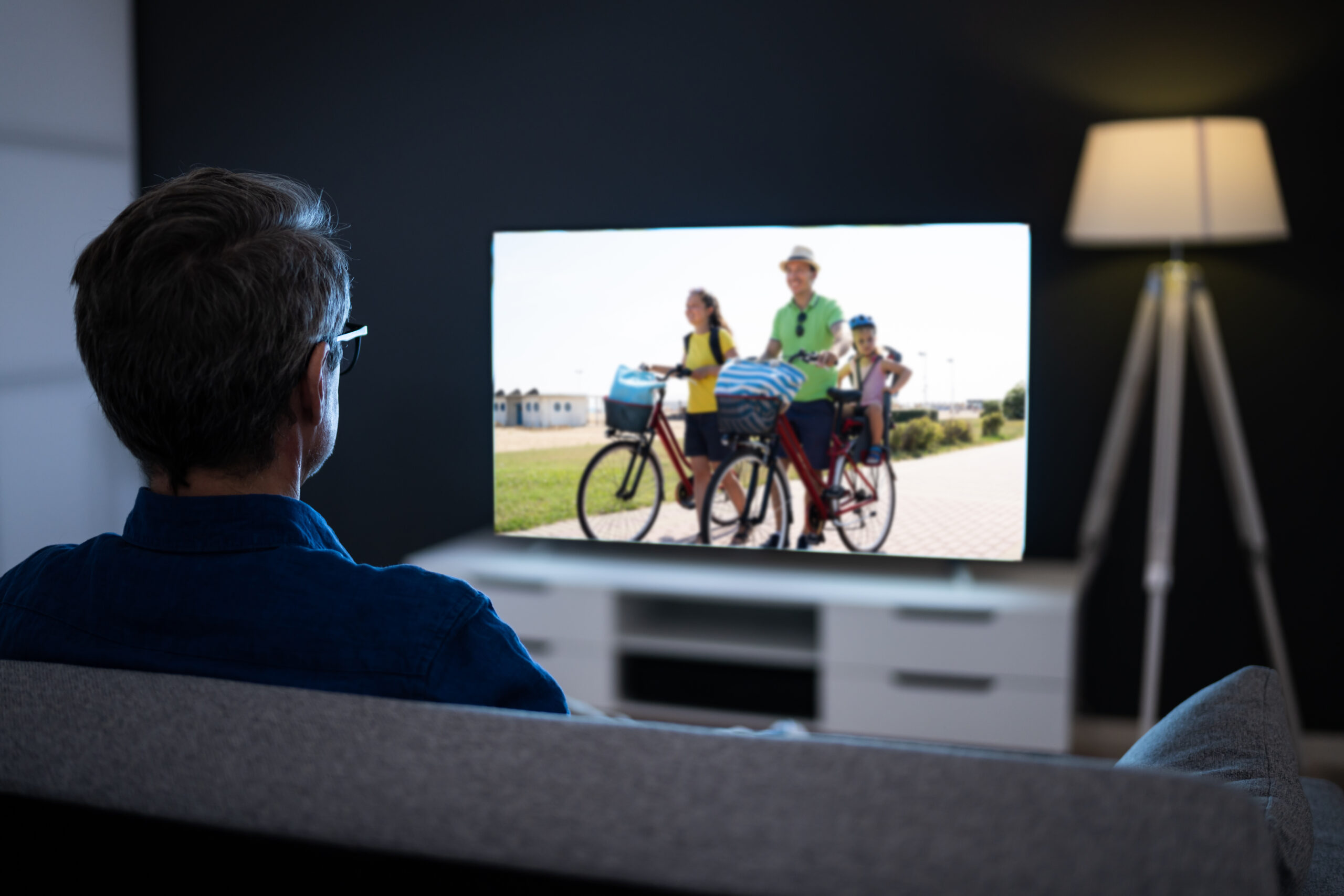
Streaming TV continues to draw the attention of both viewers and ad budgets, while digital audio (podcasts, music streaming, and voice-enabled platforms) is becoming more accessible and easier to measure through programmatic buying. Unless audiences unexpectedly lose interest in streaming entertainment (which seems unlikely), marketing efforts will likely continue shifting toward connected TV (CTV).
4. More Focus on Creative Quality
While automated systems may be tasked with handling the delivery and placement aspects of advertising, the right place at the right time still won’t perform if it’s the wrong ad. Ads themselves (e.g., their design, messaging, branding, voice, etc.) remain foundational to winning quality engagement.
More brands are likely to seek aid from tools like dynamic creative optimization (DCO) in 2026, as they’re able to show more targeted, real-time messages to potential customers without relying on sensitive personal data.
Steps To Building a Stronger Programmatic Strategy
Achieving strong programmatic performance relies on finding the perfect balance between data, creative, and measurement. Consider these steps to refine and strengthen your strategy:
Develop Strong First-Party Data Sources: Building clear, consent-based ways to collect and organize your own customer data is essential. This approach ensures your audience targeting is more reliable and your campaigns are better equipped to adapt to future changes.
Be Selective With Your AI Tools: Instead of adopting every AI feature available, choose the ones that support your specific goals — whether that’s finding high-value users, speeding up creative testing, or refining your targeting. Keep a close eye on results and adjust as needed.
Simplify Your Supply Chain: Work with fewer, more reliable supply partners. Direct relationships with publishers or trusted marketplaces can help you secure better ad placements, reduce extra costs, and maintain more control over where your brand appears.
Build a Cross-Channel Plan: Programmatic works best when all your channels work together. Combine display, mobile, digital audio, CTV, and retail media thoughtfully. Each channel should serve a clear purpose, whether it’s raising awareness, reinforcing a message, or encouraging action.
Test Creative Regularly: Create multiple versions of your ads for different audiences or environments. Run ongoing tests to see which messages or visuals resonate most. DCO can help you deliver the right version at the right moment.
Improve How You Measure Results: Move beyond last-click results and use tools that show the bigger picture, such as incrementality testing or media mix modeling. Newer metrics (like attention signals) can also help you understand which impressions actually matter.
Looking Ahead
Programmatic advertising is evolving beyond simple automation into a smarter approach with a focus on privacy and connectivity. As we look ahead, success won’t come from chasing every new trend, but from executing the fundamentals with greater precision. The most effective strategies will shift focus toward building robust, owned audience insights through first-party data and applying AI to solve specific efficiency problems rather than just using the technology for novelty.
To truly stand out, teams need to balance technical efficiency with genuine creativity. This means keeping ad creative fresh enough to beat fatigue and simplifying buying paths to remove unnecessary steps. By making media buying more straightforward and cost-effective, and prioritizing high-quality creative work, digital marketers can build a sustainable strategy that actually connects with people and drives meaningful engagement.
Ready to update your digital marketing strategy and build your business?
Our experts are here to help.